

What Epigenetics Tells You About How You Age
What is epigenetics and why should you care

Hello,
How you age is a combination of your genes, lifestyle, and environment.
Epigenetics is a fascinating field of science that explores how our genes switch on and off depending on our daily lifestyle choices.
Most people think that our gene code is a fixed blueprint. But epigenetics reveals that we have more control over aging than we might realize.
This newsletter will explore epigenetics and its impact on longevity, well-being, and aging. Understanding epigenetics will help you understand the science behind aging, maintain your energy, and enjoy life.
Let’s unlock the secrets of epigenetics and aging.
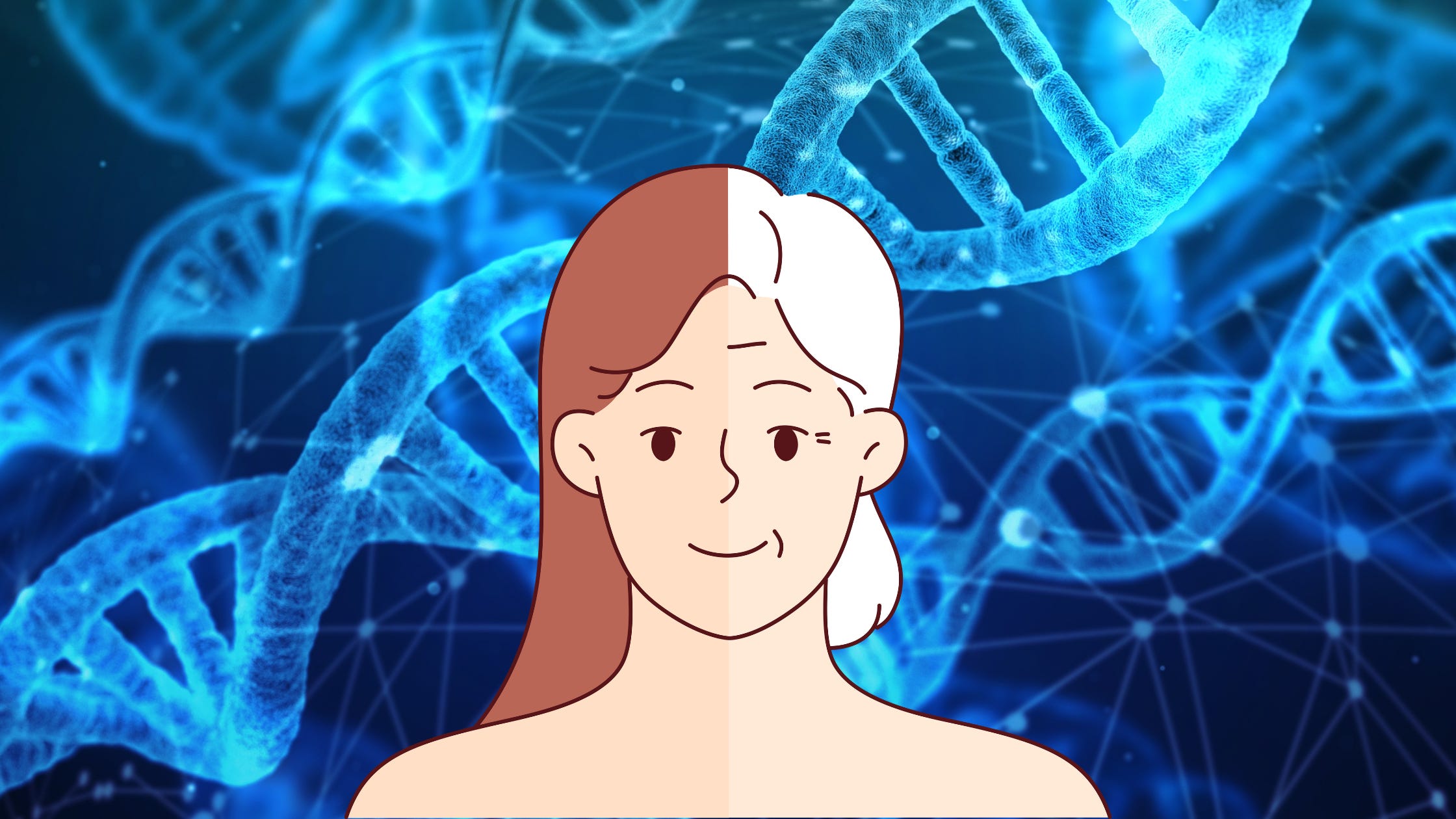
What is epigenetics?
Epigenetics studies how our lifestyle and environment impact our gene expression.
Simply put, it is about how your daily choices and environment can change how your genes work.
We all carry a unique set of genes. These genes are like a detailed blueprint on how to build and maintain our bodies. But here is a fascinating fact: just because a gene is present in our body, it is not always active.
Epigenetics studies how certain factors, such as lifestyle or environment, can impact whether specific genes are turned on or off.
Genetics vs epigenetics
You can wonder how genetics is different from epigenetics.
Genetics is about the DNA you inherit from your parents. It is fixed and does not change throughout your life.
On the other hand, epigenetics is dynamic.
It can be influenced by what you eat, how you exercise, your stress levels, and even how you interact with society.
Real-life example
A couple of years ago, I met a woman.
She had problems with walking ( she was using a stick), had diabetes, and everyday life was a challenge to her.
She filled in the file with her birthday date, and I was shocked that we were the same age.
We were both 50 then, but I thought she was about 70. And I do not mean to be nasty or judgmental. I was genuinely sorry to her. You never know what others have been through and what trauma they carry.
But our lifestyle couldn't be more different. She never cooked, ate only processed food, had frenzy drinks, didn’t drink much water or herbal tea, and never exercised.
I do the opposite.
The power of choice
The exciting part of epigenetics is that it shows that we have control over our health.
Your choices will influence how your genes behave, impacting your age. You can make decisions that affect your well-being.
So, the next time you think about your health, you will know it is about genes and your everyday life choices.
Science of aging
Let's analyze the difference between a traditional approach to aging and epigenetics. Traditionally, aging has been seen as an inevitable, linear decline in physical and mental abilities over time.
But epigenetics sheds a new light on that topic.
As we age, our epigenome (the set of epigenetic changes in our cells) undergoes many changes that can affect how our genes work.
These epigenetic changes can turn on or off genes linked to diseases associated with aging, such as cancer, heart disease, and neurodegeneration.
Researchers hope to devise ways to slow down or reverse the aging process by identifying these epigenetic changes.
Lifestyle Factors and Aging
Chosen lifestyle can influence epigenetic changes.
Things like:
Diet
Exercise
Stress management
And even social interactions
can impact the epigenome and, consequently, the aging process.
For example, studies have shown that the Mediterranean diet, rich in vegetables, fruits, whole grains, and healthy fats, positively affects epigenetic markets associated with longevity.
Conversely, eating many processed meals and bad fats may fasten the process of epigenetic aging.
The practical implication of epigenetics in aging
Now that you understand the science behind aging, let’s talk about practical changes in your everyday life.
The exciting part is that you can make the right choices to influence how you age and improve the quality of your life.
Nutrition
What you eat plays an essential role in how your genes express themselves. Here are some of the most important principles you should consider.
Embrace a colorful plate. Eating a variety of foods provides essential vitamins, minerals, and antioxidants. Choose food rich in antioxidants like leafy greens, berries, and nuts. They will help to protect your cells from damage and promote healthy gene expression.
Healthy fats matter. Make sure your diet is full of omega-3 fatty acids. The best sources of these acids are fatty fish (like salmon, mackerel, sardines, herrings, and anchovies), walnuts, and flaxseeds. These fats reduce inflammation and improve brain functions.
Limit processed foods. Processed food is full of sugars and unhealthy fats that will negatively impact your epigenetics changes.
The impact of exercise on your genes
Physical activity has a profound effect on your epigenetic profile. Regular exercise has been demonstrated to turn on genes that encourage muscle development, cardiovascular health, and even cognitive function.
Here are some tips:
Get moving. Aim for at least 150 minutes of moderate activity each week. It can be something as simple as walking, swimming or cycling. Even short bursts of activity throughout the day can make a difference.
Strength training. Do it at least twice weekly to maintain muscle mass and metabolic health. You can use resistance bands, squats, or push-ups.
Stress management: calm your mind, change your genes
Chronic stress impacts your overall health and epigenome, leading to negative consequences. Here are some strategies to help you in managing stress:
Mindfulness and meditation. Being aware of your thoughts, feelings, body experiences, and the world around you moment by moment is what mindfulness is all about. Even if you practice it for 5 minutes daily, it will positively impact your well-being. Yoga, tai-chi, or pilates are examples of mindfulness exercises.
Connect with nature. Spend time outdoors to reduce stress and improve mood. Walk in the park or garden, or sit outside and enjoy the fresh air. I walk at least an hour daily and feel like a different person afterward.
Social Connections
We are social creatures, and social interactions can influence our epigenetics health. Here are some tips:
Nurture relationships. Make time for your family and friends. Regular interactions will boost your mood and overall well-being.
Stay engaged. Join organizations, clubs, or local communities or become a volunteer. It will help you socialize, create new bonds, and improve your health.
Conclusion
We explored the fascinating topic of epigenetics and its connection to aging.
Now you know that genes are not your destiny and that you have more control over your health and aging than you realized.
By understanding epigenetics principles, you can make the right choices to improve your quality of life and longevity.
Remember that your daily choices matter, and you can improve your health and well-being by:
Nutritious diet
Regular exercise
Fostering social connections
Stress management techniques
We are all different, and your best methods depend on trying new things and finding out what works for you. Keep your mind open to new ideas, and never fear something new.
P.S.
I would like to hear your thoughts on epigenetics and aging. And do not forget to subscribe to read more stories on thriving over 50.
Exercise so important! Thanks for raising awareness of these points 🙂👌